Interior Drainage
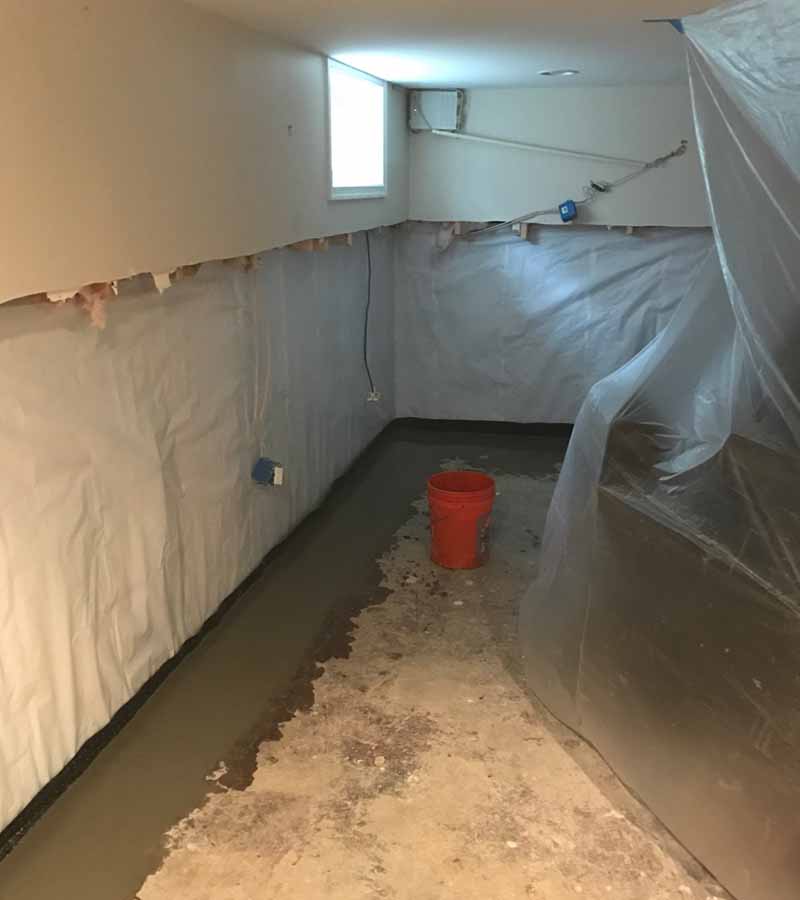
Moves water away from the wall-floor joint before it spreads across the basement.
Ask about drainageWaterproofing is the core fix
Basement waterproofing is the primary repair path when water keeps reaching the basement. Basement Detective finds the moisture source first, then recommends the right mix of drainage, sump pump, crack leak repair, or other water-control work.
A waterproofing assessment is most useful when water appears after heavy rain, the basement smells musty, the sump pump cannot keep up, or mold comes back after cleanup.
Common symptoms
Find the source first
A sump pump, interior French drain, foundation crack repair, wall-floor seepage repair, or dehumidification plan can all be part of the answer. The inspection turns a mold, odor, or wet-basement concern into a clear water-control plan before the homeowner commits to a repair.
Ways to stop water
Moves water away from the wall-floor joint before it spreads across the basement.
Ask about drainageCollects and pumps water out of the basement, with backup protection for storm risk.
Ask about sump pumpsTargets water entering through specific wall cracks, joints, or weak points.
Ask about leak repairWaterproofing questions
You likely need a waterproofing assessment when water appears after rain, the basement smells musty, walls stay damp, or water seeps where the wall meets the floor. The repair should start with how the water is entering.
Heavy rain can overload gutters, grading, soil drainage, footing drains, sump systems, cracks, and wall-floor joints. Basement Detective looks at the timing and entry point before recommending a repair.
It can help when mold risk is driven by recurring water intrusion or damp materials. Mold cleanup handles affected areas, but waterproofing addresses the moisture source that can let conditions return.
Water at the wall-floor joint often points to hydrostatic pressure or drainage failure around the foundation. Interior drainage and sump pump work may be part of the repair path.
Stay safe around electricity, document where the water appears, move valuables if it is safe, dry what you can, and call for an assessment once the urgent cleanup risk is controlled.
Free basement assessment
Call Basement Detective at (703) 684-0860 or send the form with where the water appears, when it happens, and whether odor or mold is nearby.