Musty odor and hidden moisture
A musty basement smell can be the first clue that water is getting in.
A musty basement smell usually points to moisture in the air or building materials. After rain, check whether the odor coincides with new dampness, staining, or water at a wall-floor joint. A dehumidifier may reduce humidity, but recurring seepage needs its own diagnosis. Smell alone does not identify the source.
What the smell can mean
Common reasons basements smell musty.
Trace the moisture source
Odor often shows up before the leak is obvious.
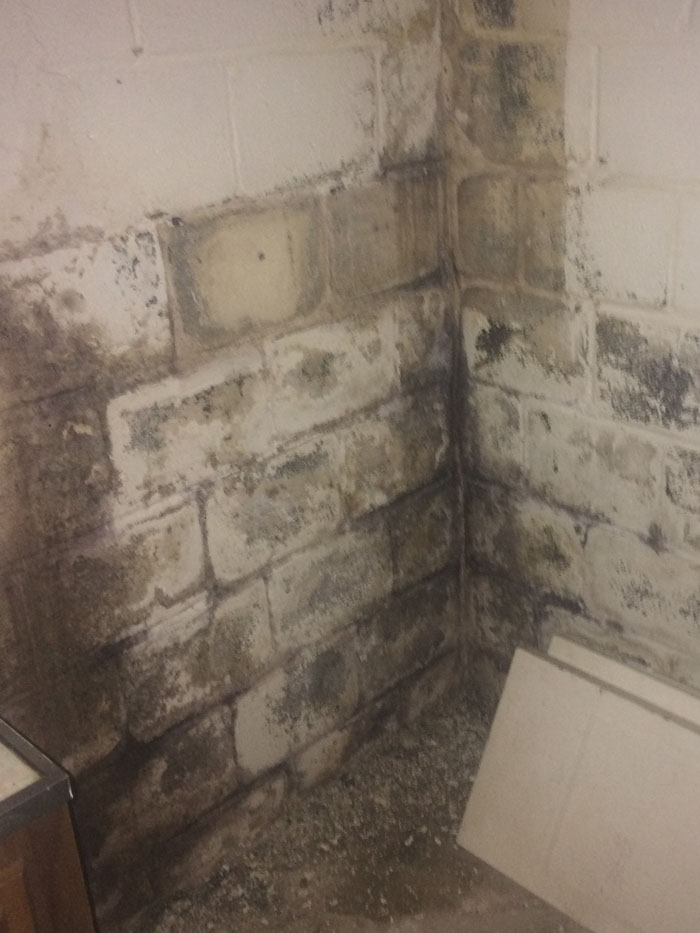
A musty basement smell after rain can come from foundation cracks, wall-floor seepage, damp finished walls, window wells, grading issues, or overloaded drainage. The assessment connects the smell to the likely water path.
When it started, where it is strongest, and whether it follows rain.
Look for damp materials, staining, humidity, and hidden water paths.
Connect the smell to drainage, seepage, leaks, or ventilation conditions.
Pair mold remediation with waterproofing when water is involved.
Before your assessment
Three observations that help narrow the cause.
Record these from a dry, accessible area. Avoid opening finished walls or disturbing suspected growth to investigate an odor.
When does the smell return?
Note whether it follows rain, humid weather, or a plumbing event. Take photos of new staining or dampness and record the first room where you notice it.
Where is moisture visible?
Look at accessible wall-floor joints, window wells, and the area near the sump. A localized wet spot and a generally humid room may require different checks.
What does the humidity meter show?
If you already have a hygrometer, record its reading and location. A room reading helps describe conditions; it does not rule out damp material behind a wall.
The EPA's homeowner moisture guide recommends keeping relative humidity below 60%, ideally 30–50% when possible. It explains that a moldy smell without a visible source can warrant investigation for hidden mold, and that moisture problems must be corrected for remediation to be finished. Follow that guidance without treating an odor or humidity reading as a diagnosis.
For rain-related concerns, the Fairfax County drainage guide describes gutter, downspout, grading, and stairwell-drain checks. See our answers about basement water after heavy rain and water at the wall-floor joint. If the pump runs nonstop, read what sump-pump running patterns mean.
Musty basement FAQs
Questions homeowners ask before calling.
Why does my basement smell musty after rain?
Rain can push moisture through foundation cracks, wall-floor joints, window wells, grading issues, or overloaded drainage. The odor is a clue to inspect the moisture source.
Is a musty basement smell always mold?
No. It often signals moisture, but the source can be mold, damp materials, high humidity, drainage trouble, or hidden water intrusion.
What should I do if I smell mold after a storm?
Document where and when the odor appears, avoid disturbing suspected growth, reduce moisture if safe, and schedule an inspection to trace the water source.
Can waterproofing help a musty smell?
It can help when the smell is driven by recurring water intrusion, damp basement materials, or wall-floor seepage. The assessment should confirm the source first.
Will a dehumidifier get rid of a musty basement smell?
It may help when excess humidity is contributing to the odor. It will not stop water entering through a crack, wall-floor joint, window well, or failed drainage path. If damp materials or an odor keep returning, investigate the moisture source instead of relying on humidity control alone.
Free odor assessment
Tell Basement Detective when the smell appears.
Call (703) 684-0860 or request an assessment with the room, timing, rain pattern, and whether you see staining, damp walls, or visible growth.