Heavy rain leak and mold prevention
Basement mold after heavy rain starts with finding the leak source.
A storm can reveal water paths that were hidden during dry weather. If you see water in the basement after heavy rain, smell mustiness, or notice mold near a recent leak, Basement Detective traces the source before recommending cleanup or waterproofing.
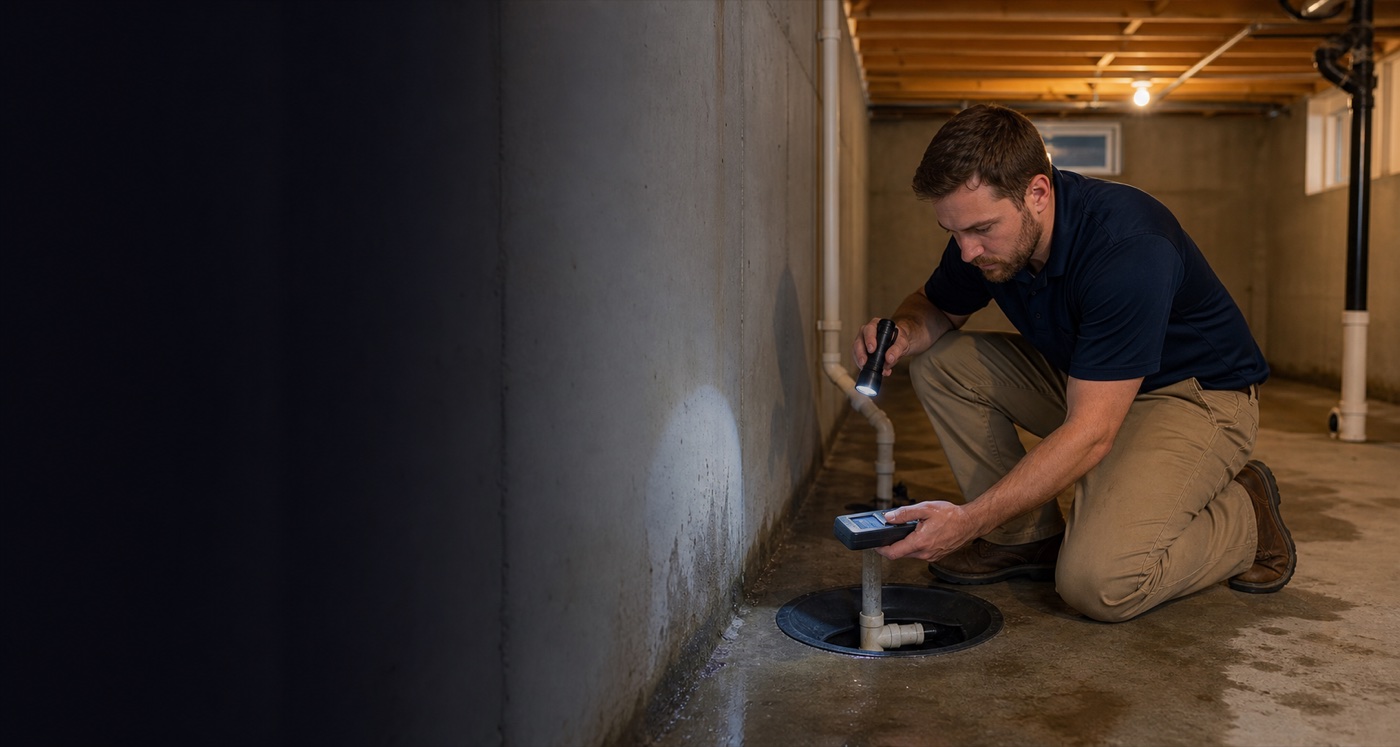
Storm clues
What to look for after heavy rain.
Source-first repair
Drying helps, but the leak source still has to be fixed.
If rain keeps driving water into the basement, cleanup is working against the same moisture. The assessment checks the leak path, sump pump performance, drainage, foundation cracks, wall-floor seepage, and damp materials so the repair plan fits the problem.
Storm leak FAQs
Answers before the next rain.
Can a basement leak after heavy rain cause mold?
Yes. A rain leak can wet porous materials and raise humidity, so the leak source and drying plan matter.
How fast can mold grow after a basement water leak?
Mold risk increases when damp materials stay wet. Rather than relying on a fixed timeline, focus on prompt drying and source repair.
What should I do if I smell mold after a storm?
Document where and when the odor appears, avoid disturbing suspected growth, reduce moisture if safe, and schedule an inspection.
Do I need mold remediation or waterproofing after a storm leak?
Start with inspection. The affected area may need cleanup, but the leak source must be corrected so the same moisture does not keep returning.
Free storm assessment
Water or odor showed up after heavy rain?
Call Basement Detective at (703) 684-0860 or request an assessment with photos, timing, and where the water or smell appeared.